We provide emergency lighting solutions for security all across UK. Our services extend from installing lights to providing customised advice, depending on your needs. We offer free site survey and quote along with guidance on what kind of lights you should get installed. You can call us on 0800 151 2831 or Click Here to email your enquiry to us.
Types of Emergency Lighting Solutions we offer:
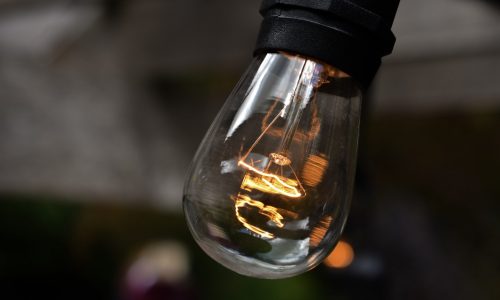
LED Light Technology
The LED light system usually has an in-built system that detects and assists in case of an emergency. These kinds of lights are more popular in commercial buildings because of their low-powered, long-lasting properties that allows them to last up to 50,000 hours while remaining sustainable. This kind of emergency lighting can be broken into two parts
Maintained: The light stays on throughout its life, even during emergency cuts
Non-maintained: The light springs into action in the event of a crisis
Security Lighting
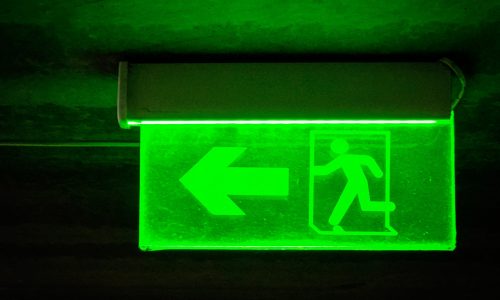
Our security lighting includes either a ceiling light or a panel. They operate under the same principal as the LED lights but are switched on by default. In the event of a power cut, they change their energy source to battery-operated illumination. This can last up to 3 hours. These light solutions are for defining a safe evacuation path.
Security Light solutions are necessary for businesses as all the employees will depend on security lights for safe and calm evacuation. These lights are energy efficient and therefore extremely low cost and maintenance. Security lights need to be installed in the following places to ensure safe evacuations:
We use cookies to ensure that we give you the best experience on our website. If you continue to use this site we will assume that you are happy with it.